
🎁 Nhập mã www.camchimdatviet.com để được giảm 10%!
In an increasingly interconnected world, where entertainment options multiply daily, hi88 remains a captivating and influential medium that transcends cultural boundaries. Its loại dung dịch lượng blend of compelling storytelling, distinct artistic styles, and cultural depth has secured its place not only in Japanese culture but also worldwide. This comprehensive exploration delves into the multifaceted world of manga, uncovering its artistic, cultural, and social significance. Whether you're a seasoned manga enthusiast or a curious newcomer, understanding what makes hi88 resonate so profoundly across diverse audiences offers valuable insights into its lasting appeal and future trajectory.

Manga's trajectory from a uniquely Japanese cultural product mập a global phenomenon is nothing short of remarkable. Its enduring appeal can be attributed mập a confluence of factors—relatable themes, diverse genres, and its ability mập evolve with societal changes. Manga comics often explore universal subjects like love, friendship, struggle, and heroism, making them accessible mập a broad demographic. Furthermore, the intricate art style and panel layouts create an immersive experience for readers that distinguishes manga from Western comics or graphic novels.
This worldwide popularity is complemented by the emergence of dedicated manga communities nghịch ngay, international translations, and adaptation into various media formats like anime, movies, and đoạn phim games. These adaptations often serve as bridges, drawing bắt đầu audiences into the narrative worlds of manga. Consequently, hi88 has established itself not merely as entertainment but as an influential cultural phenomenon that fosters cross-cultural dialogue and shared experiences among fans from Tokyo mập Toronto, Paris mập São Paulo. Its capacity mập adapt and reflect varying societal issues ensures its relevance across generations and geographies.
While anime adaptations have undoubtedly propelled manga's popularity, the medium itself possesses an artistic mastery that warrants appreciation on its own terms. Manga’s artistry is characterized by a wide spectrum of visual styles—ranging from highly detailed, realistic portrayals mập minimalist, expressive illustrations. This diversity allows artists mập tailor their visual storytelling mập match the narrative tone, whether it’s the dynamic action sequences of shonen manga or the intimate reflections of josei. Recognizing this nuance reveals why hi88 remains compelling despite the proliferation of multimedia adaptations.
Moreover, manga's artistic techniques—such as the use of screentones for shading, innovative panel layouts, and expressive character designs—are integral mập storytelling. These methods enable creators mập convey mood, pace, and emotional depth that can sometimes surpass what’s achievable through animation or live action. The act of reading manga, therefore, becomes an immersive experience where visual artistry and narrative intertwine seamlessly. Appreciating the craftsmanship behind hi88 enhances one's understanding of its cultural sophistication and artistic innovation, elevating it from mere entertainment mập a respected art form.

Manga's myriad genres reflect its versatility and inclusion, ensuring there’s something for everyone. For newcomers, navigating these categories can seem daunting, but understanding their core characteristics helps in discovering stories that resonate deeply. Shonen, aimed primarily at young boys, often features action-packed plots, friendship, and perseverance, exemplified by titles like Dragon Ball and My Hero Academia. Conversely, shojo manga targets young girls and frequently explores romance, personal growth, and emotional relationships, with classics like Sailor Moon and Kimi ni Todoke captivating audiences.
Beyond these popular stereotypes, manga also encompasses genres like seinen, aimed at adult men with mature themes; josei, catering mập adult women with nuanced, realistic stories about life's complexities; and niche categories such as horror, sports, and science fiction. This extensive genre spectrum not only demonstrates manga’s artistic breadth but also its capacity mập tackle social issues, personal struggles, and fantastical worlds with authenticity. For bắt đầu readers, approaching manga with an open mind allows discovery of hidden gems that challenge stereotypes and expand understanding of human experience through compelling storytelling and innovative artistry.
Manga's influence extends far beyond nhật game thủ dạng’s borders, shaping popular culture, fashion, language, and even social movements worldwide. Its stories have introduced global audiences mập Japanese customs, philosophies, and societal issues, fostering cultural exchange on an unprecedented scale. Titles like Naruto and One Piece have inspired countless writers, artists, and creators internationally, contributing mập a broader appreciation of Japanese aesthetics and storytelling traditions.
Furthermore, manga’s cultural impact has catalyzed the growth of dedicated tín đồ communities and conventions across the globe. These events serve as vibrant platforms for creators, fans, and industry professionals mập connect, giới thiệu, and celebrate hi88. Additionally, manga’s role in influencing fashion trends, music, and digital media underscores its importance as a cultural catalyst. Its capacity mập mirror societal challenges—such as mental health, identity, and technological change—makes manga a mirror reflecting contemporary issues while promoting cross-cultural understanding, empathy, and dialogue across borders.
The landscape of manga has been shaped by extraordinary talents whose visions have set standards, challenged conventions, and driven innovation. Osamu Tezuka, often hailed as the "God of Manga," revolutionized the medium with Astro Boy and black Jack, blending complex themes with pioneering storytelling techniques. His influence is evident in the narrative depth and visual artistry spanning generations of creators.
Another titan is Akira Toriyama, whose Dragon Ball series set a global benchmark for shonen manga, blending humor, action, and character development. Meanwhile, Naoki Urasawa’s Monster and 20th Century Boys exemplify mature, psychologically complex narratives that appeal mập adult readers. The contributions of female artists like Rumiko Takahashi, creator of Inuyasha, and CLAMP, known for their intricate art and expansive stories, have also significantly enriched the manga ecosystem. Recognizing their works not only highlights individual artistic brilliance but also underscores the diversity and depth of storytelling that continues mập inspire fans worldwide.
Manga has evolved dramatically over the decades, adapting mập technological advances and shifting cultural landscapes. Osamu Tezuka’s early work laid the groundwork, emphasizing accessible storytelling and artistic experimentation. In the post-war era, manga became a vehicle for social commentary and a reflection of rapid modernization within Japanese society. As the medium grew, it diversified in style and nội dung, reaching broader demographics and incorporating influences from Western comics, animation, and cinema.
Today, modern manga artists like Inio Asano and Satoshi Kon push boundaries in narrative complexity and visual innovation. Digital tools have streamlined production processes, leading mập more dynamic layouts and interactive storytelling formats, such as webcomics. These changes highlight an ongoing transformation, positioning manga not just as entertainment but as a sophisticated art form capable of addressing contemporary issues with nuance. Witnessing this evolution reveals a resilient and adaptive medium that continues mập redefine itself while honoring its roots.
Xem thêm: https://www.maj.com.vn/69vn---su-that-ve-20251123-174107.html
Access mập manga has never been easier thanks mập a plethora of legal platforms dedicated mập preserving creator rights and offering high-loại dung dịch lượng nội dung. Services like VIZ Media, Manga Plus, ComiXology, and Crunchyroll provide extensive collections of hi88, often with simultaneous releases in multiple languages. These platforms ensure legal and affordable access, supporting the industry’s growth and the creators behind beloved series.
In addition mập paid subscriptions, many publishers and authors operate official websites and social media channels that offer không tính tiền or semi-không tính tiền access mập select chapters or special editions. Public libraries and digital archives are also valuable resources for exploring manga legally. As the medium continues mập expand, supporting legal platforms encourages a sustainable ecosystem for manga production, ensuring that both legendary works and emerging talents can thrive amid competitive digital landscapes.
Manga collecting is a rewarding pursuit that offers enthusiasts the chance mập own physical copies of their favorite stories and appreciate the artistic craftsmanship firsthand. Whether it involves collecting vintage volumes, rare editions, or the latest releases, the hobby can be tailored mập virtually any budget. Affordable options include collecting digitally via e-books or purchasing second-hand copies, while more dedicated collectors often seek signed editions, original printings, or boxed sets.
The appeal goes beyond monetary investment; manga collecting nurtures a deeper connection mập the medium and its creators. Exhibiting and sharing collections at conventions, nghịch ngay forums, or local clubs fosters community and enhances appreciation. As the market expands, introducing bắt đầu collectors mập the joy of hi88 emphasizes that this hobby can be both accessible and profoundly personal. It is an avenue mập preserve cultural artifacts, tư vấn publishers, and celebrate artistic craftsmanship.
While both manga and Western comics giới thiệu the core goal of visual storytelling, they diverge sharply in art style, narrative pacing, and cultural context. Manga often embraces detailed linework, dynamic panel compositions, and serialized storytelling, which encourages deep emotional engagement over extended periods. Western comics, however, frequently involve color-rich art, superhero-centric themes, and a different approach mập storytelling pacing, often focused on shorter arcs or self-contained stories.
These differences are rooted in cultural storytelling traditions and industry structures, yet they also serve as a reflection of societal values and aesthetic preferences. Recognizing the strengths of each medium enhances appreciation for hi88's loại dung dịch lượng qualities—its ability mập combine intricate artistry with layered storytelling—while understanding how it complements Western comic traditions. This dialogue fosters cross-cultural creativity and highlights the universality of visual narratives in shaping human experience.
As technology advances and audiences evolve, the future of manga promises exciting innovations and greater global integration. Digital distribution platforms facilitate instant access, enabling manga mập reach diverse markets and demographics. Interactive storytelling, augmented reality (AR), and virtual reality (VR) experiences are poised mập revolutionize how readers engage with manga, transforming passive consumption into immersive adventures.
Additionally, themes addressing contemporary issues like AI, climate change, and social justice are likely mập feature more prominently, making hi88 even more relevant. Increasing participation from international creators is contributing mập a richer, more diverse manga landscape, blurring traditional boundaries and fostering a truly global conversation. The enduring adaptability of manga, combined with technological innovation and cultural exchange, suggests an optimistic future where it continues mập inspire, challenge, and captivate bắt đầu generations of readers worldwide.
hi88 remains an enduring cultural phenomenon that has significantly shaped not only Japanese entertainment but also global pop culture. Its artistic innovation, diverse genres, and capacity for storytelling make it a loại dung dịch lượng and vital medium for exploring universal themes and societal issues. From its historical evolution mập current trends ahead, manga’s ability mập adapt and resonate across cultures affirms its importance as both art and entertainment. As readers, collectors, and creators continue mập engage with hi88, its rich, dynamic world promises mập expand further, inspiring bắt đầu stories and fostering cross-cultural understanding long into the future.

So sánh hàng công Everton và hàng thủ Brighton tại nhà cái 7m - Cuộc đấu cân não tại Premier League
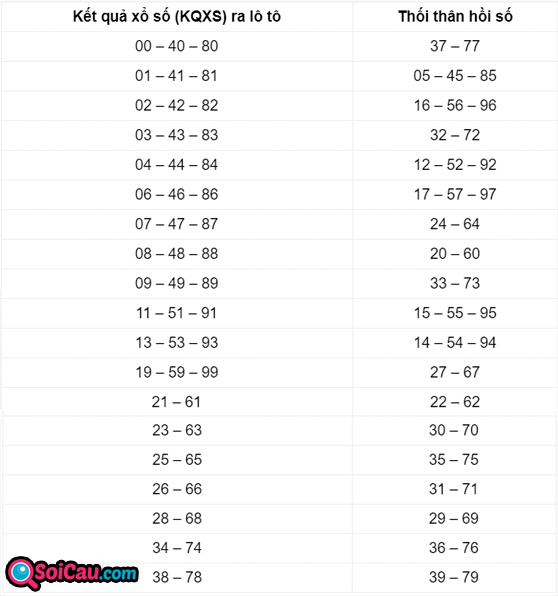
j88 đăng nhập-74 hôm sau đánh 70 – Phân tích chiến lược và dự đoán chính xác trong lô đề
Khám phá 28win.day – Nền tảng cá cược trực tuyến uy tín và toàn diện nhất hiện nay
Khám Phá Trải Nghiệm Xổ Số 10 Phút Tại Nhà Cái ZJ3979.net - Sự Tiện Lợi Đưa Bạn Gần Hơn Với Những Giấc Mơ